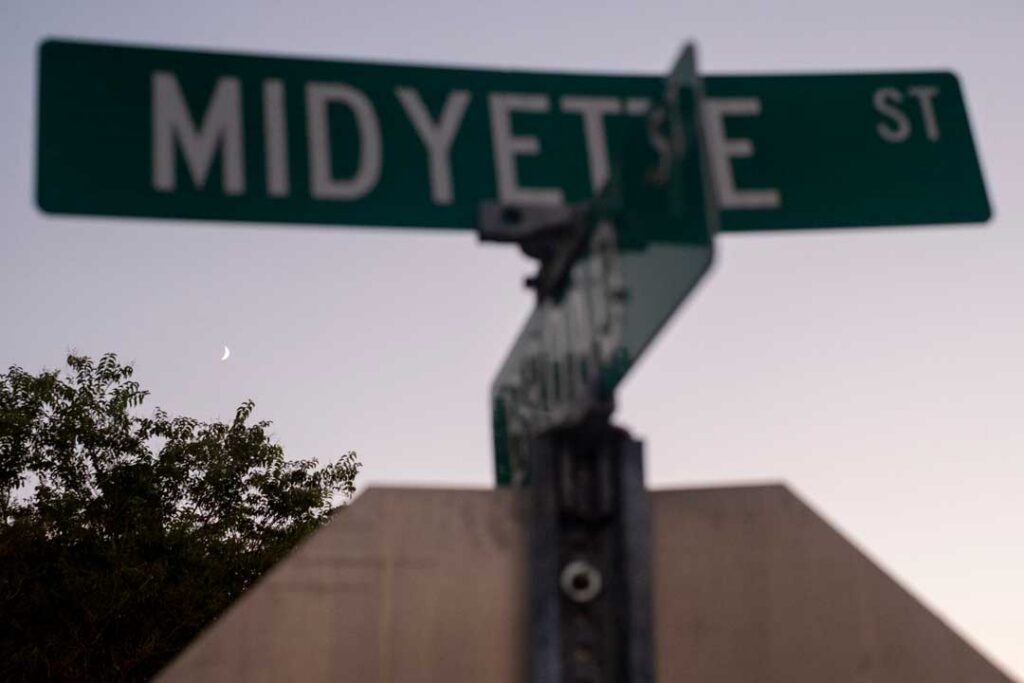
Remembering the days of ‘White City’ on Midyette Street
Story and photos by Sage Russell
Down in the County’s Pamlico Voices is an ongoing oral history project preserving the memories, experiences and traditions of the Black communities of Pamlico County. Through recorded conversations, photographs and archives, we document the stories that have shaped the county — stories too often left out of official histories. By preserving these voices, we hope to create a lasting record that honors the past, strengthens our understanding of the present, and ensures future generations can hear history in the words of the people who lived it.
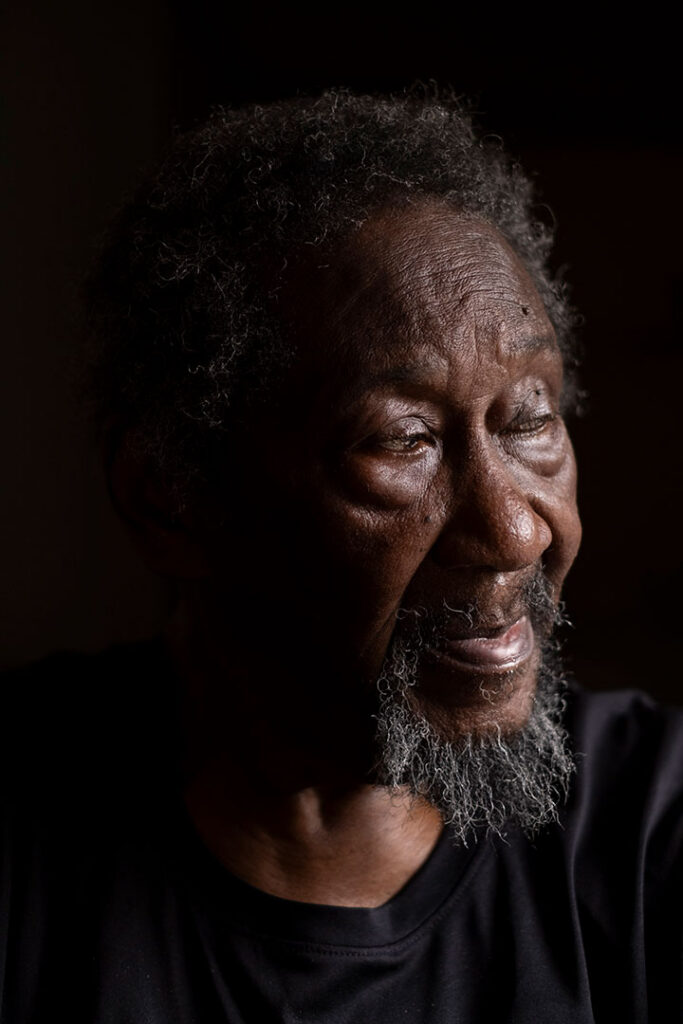
When William Jones, 81, grew up on Midyette Street in Oriental, the area was known by a different name.
A: “Every house down here was white. It was painted white and named the ‘White City.’ They had a mill, a farm mill down there. A saw mill down there. And a lot of people out of town were working down there, and they named it ‘White City.’ Put a lot of houses down here, and all of them were painted white. That's the way that was.
This (Midyette Street) is ‘White City.’ That's ‘downtown,’ you call it. Out there further, by Piggy Wiggy out there, that's ‘Hudson Town.’ Down there further, when you go right on down 55, you get down there, and then that's ‘Silverbrook,’ you call it.”
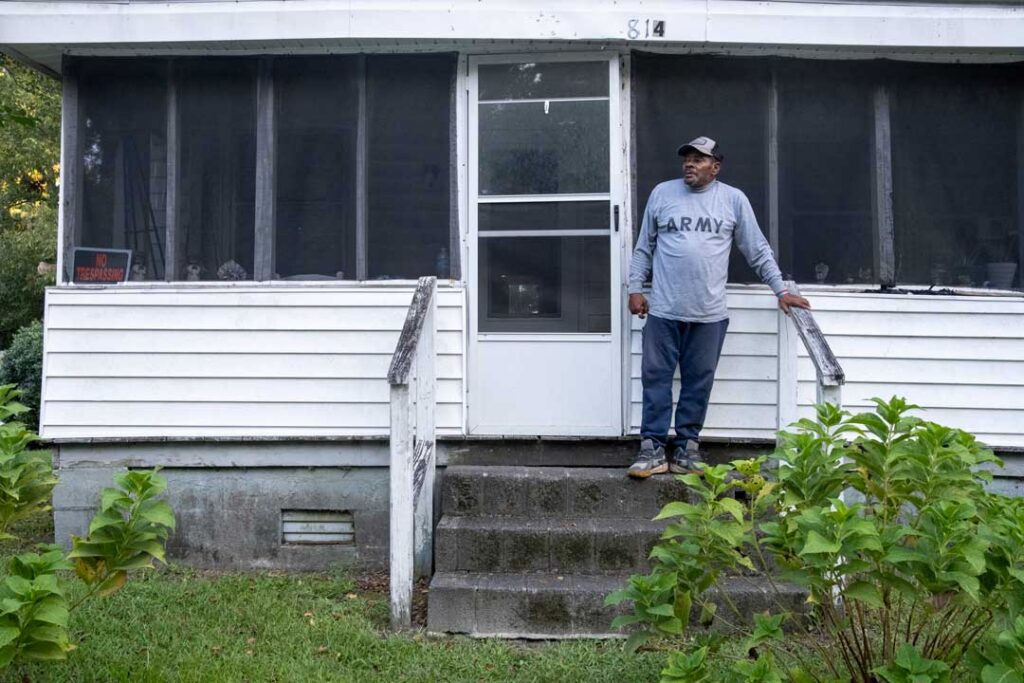
Jones, who lived on the street until age 16 and now lives across from his childhood home, is among the few people left who can remember the town from so many decades ago. He was born into a large family, the fourth of seven children. His parents were living in Oriental, raising chickens and hogs and cutting down nearby trees for firewood during the winter.
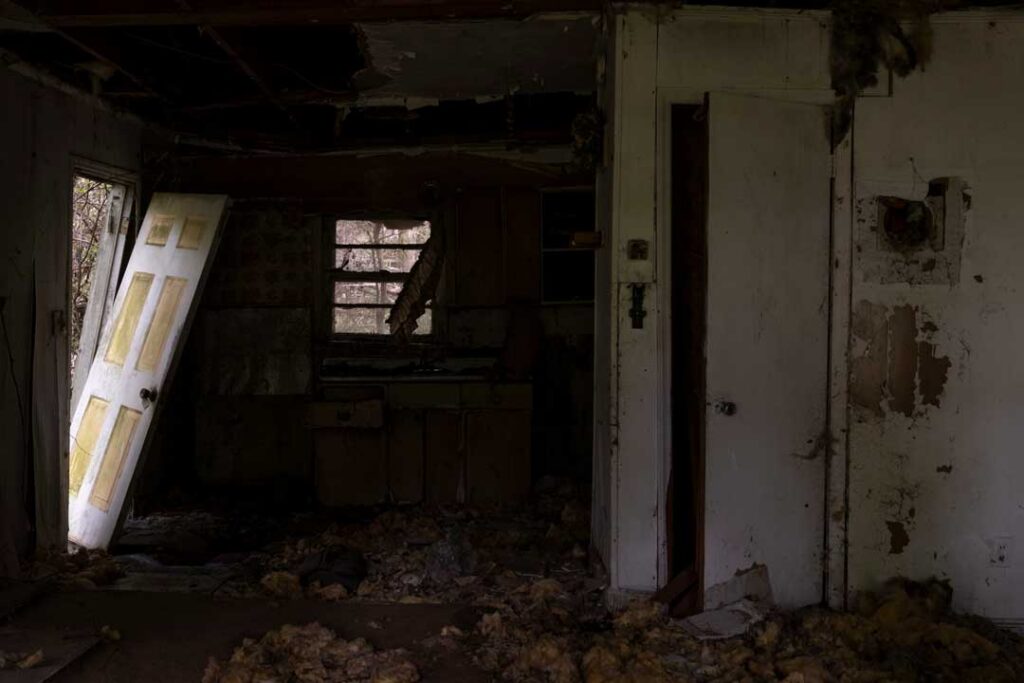
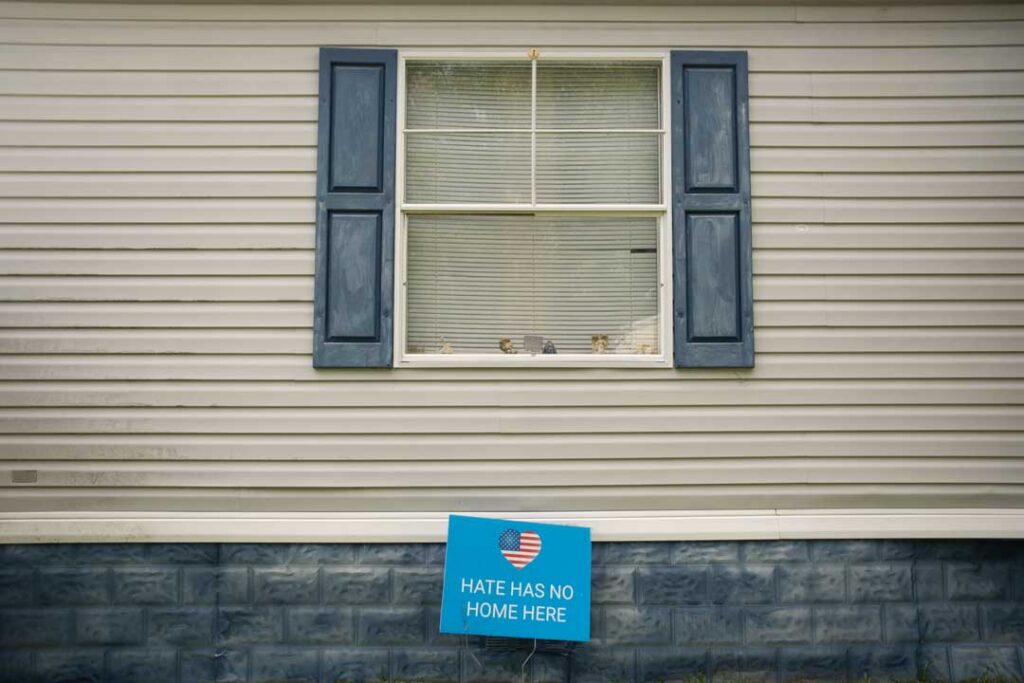
The community itself was vibrant, with as many as 150 to 250 residents. That number has dwindled to less than 50 as people moved to New York or Connecticut.
A: “Now, it was real beautiful.
We were working downtown to the fish house, and everybody, mostly the white guys, were down there. They treated us with a lot of respect, you know, and everything was nice down there. My daddy, he was mostly the, what you call it, the handyman there, you know, like, he was boss of all the Black guys who worked there, you know, overseer of it. And he run things, the fish house, the boats come in, we unloaded the fish, headed shrimp, you know, and everything was beautiful down there.
Now, mostly down in Oriental, the white people, all of them deceased. Mostly there's the Yankees down there now, and they done built up the town, really, really built up. Years ago, we didn't have no houses back over there, not there, but back across the 55 over there.
There was all fields, but now they just built up now, and on the back of us, back there, they're building houses back there. They done built about 10 back there, brand new houses, and they just come all the way around us, and the people, they treat us nice. They nice. They ain't nice as the people who grew up here, the white people who were raised here, but they nice people.”
When Jones’ wasn’t working, he had many options for recreation, including Willie Merritt’s club, which he and his friends would visit on weekends.
However, sports became his favorite pastime. Youth teams from Styrontown, Mesic, Bayboro and Maribel gathered to play baseball in Oriental.
During these games with his peers, Jones earned a nickname he’d hold onto for life: “Rawhide,” for catching balls without a glove.
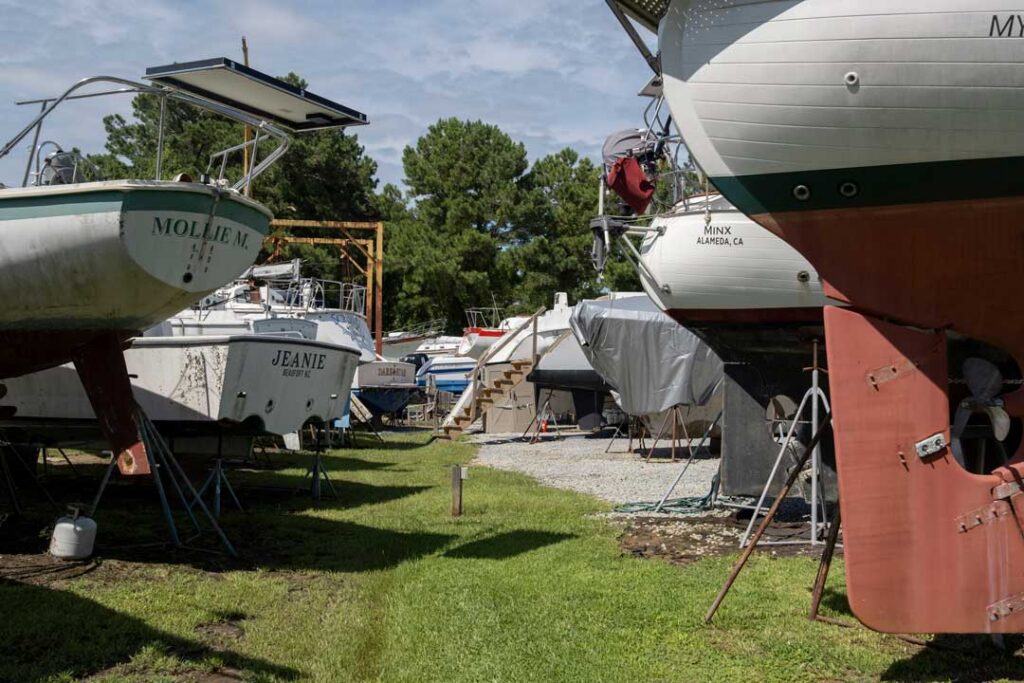
A: “Used to be right there, over there, across the street. Used to be a great big old gum tree. Big tree, we called it the shed tree. We got blocks of wood, and that's where we hung out at, right there. Like we got a caterpillar. This street was dirt. All down here was dirt.
And then as we growed up to be about 16, maybe 15, we started playing baseball. Right over there to the park was right over here. We started playing baseball. And we could get a baseball team, that's how many Black people were living up here.
I bet there was, good God, there was going near 150 people were living here then, but it's deceased. A lot of them deceased, and a lot of them left. But we got a baseball team right up here. But we got a few guys from out there in Hustlertown. A guy named Bill Hargett, Bill Gaskin and Ronald Mann.
And Garland Mann. That's the only one we got out there because they the only ones who really know how to play ball. Because the boys here really could play some baseball. Really could.”
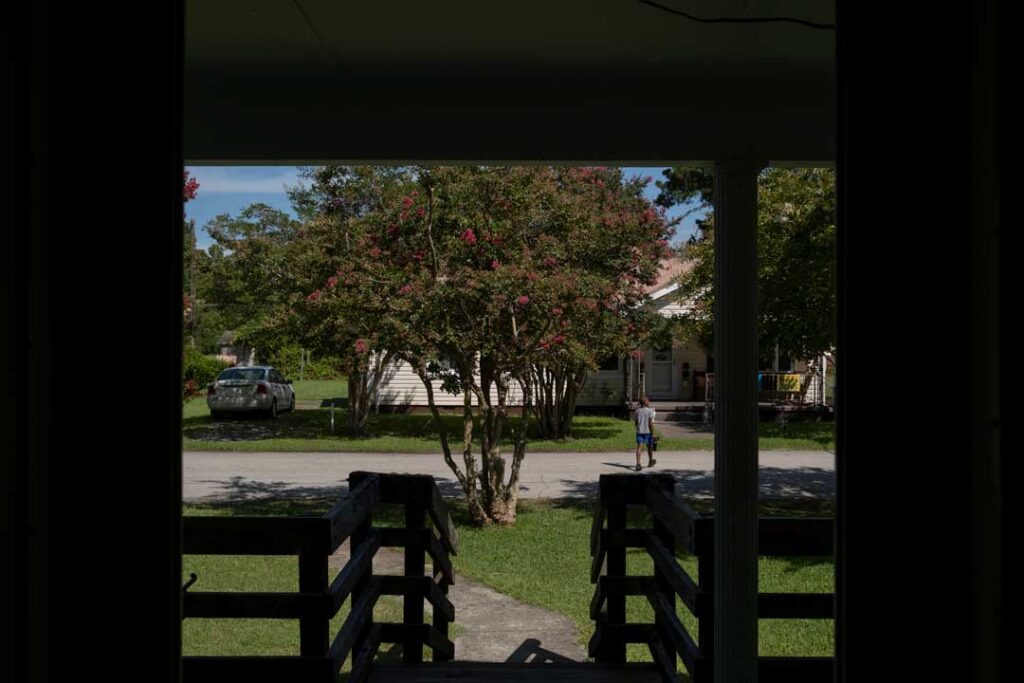
At age 16, Jones began commercial fishing to get out of the house while dealing with a difficult home life. He joined a friend, Billy Bo, and his father out shrimping, which he quickly took to. Shrimping soon led him to Florida for the following decade.
A: “They was on radios. Them radios. Oh, they got along just like this.
One would hit shrimp and call this one and tell him about it. Because we didn't have cell phones back there then. Wasn't no cell phones. As a matter of fact, the only thing was, was the radios. The radios on the boats. Wasn't no cell phones. Nothing.
So how did they get in touch with one another? They called one another on the radio. And they used a certain word to one another. The person I know. What they call you. No, you're to the dock.
To the, to the, when the boat's in, you know? They talk with one another, and tell one another. They say a certain word. They turn into a certain channel, see. And he'll say, ‘Blah-da-dis-um, blah-da-dat, blah-da-dis-um.’ And all of a sudden, he'll say, yeah, OK. And he'll turn into another channel.
So he, he'll turn into that channel, and tell him how many shrimp he had. Four or five baskets, six or seven baskets. Because if he tell over the air, every damn boat, gonna be about a hundred boats. Every boat around there, gonna come there where he at, and there ain't gonna be no shrimp there then, you know?
When some boats start dragging there. But he tell that one boat. And that one boat will come right there.
You know, give him a sign, you know, a number. To turn to another channel, and then he tell him, come on over here. I caught them about 10 minutes past. Wherever he at.
Might be 3 miles away or 4 miles away, but boats be looking. Boats be watching, you know? Somebody haul back, you know. We call hauling back, when you pull the nets aboard and everything, and your boat start steaming. They'll be looking.
They're looking. See that boat steaming that away? They'll haul back, and steam the same way, you know, because they figure somebody done told him something, you know. So that's the way it is.
It was nice guys and everybody was getting along good. It be some, some guys mad with one another. You know, hate one another. You know, don't hate one another, but dislike, you know, talking to you on the radio, but you don't even care. You really don't care.
You got plenty of friends on the boat. Something happen, you got somebody to come and pull you in.”
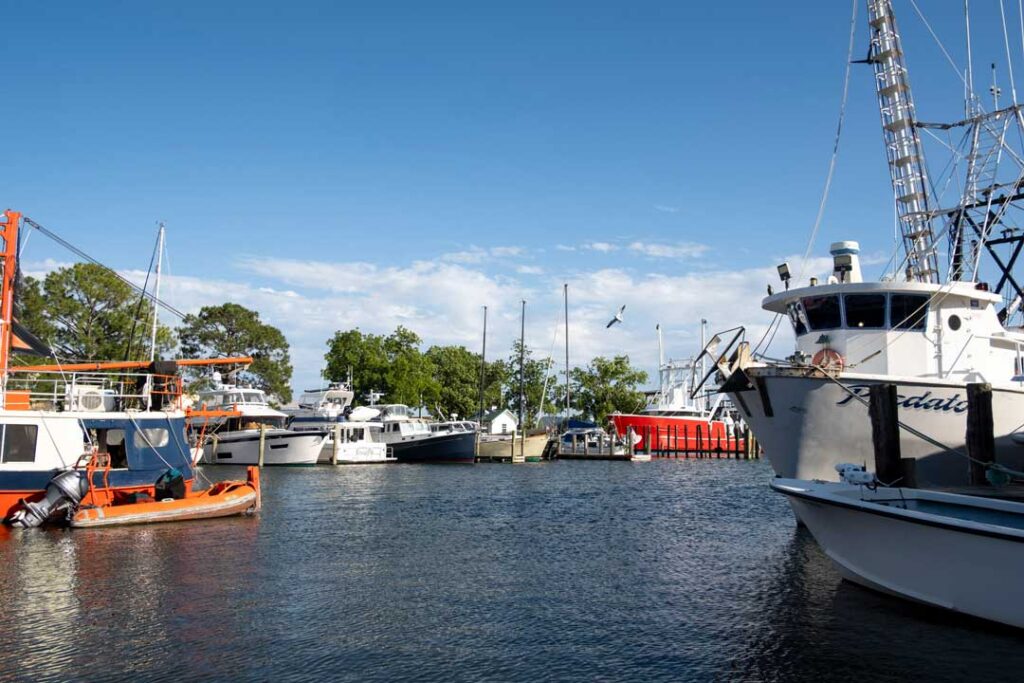
After living in Florida, Jones returned to Oriental for around a year. However he quickly grew interested in finding a more active place to live, and moved to New York, where he met his wife Yvonne, from Brooklyn. In the city, Jones worked as a cook for a variety of restaurants while Yvonne took up office work. The two enjoyed the city until the hustle and bustle became too much.
After 30 years, Jones returned to the North Carolina coast and to commercial fishing. Yvonne joined him a couple of years later.
A: “When I come back from New York, I didn't have a pot to piss or a window to throw it out of. I sure didn't. I didn't have nothing.
And then, I come back and got on the boat. And I worked on the boat, and I started saving my money, and giving it to my wife. She hadn't even come down. She still was in New York, but I was making $1,800, $1,900 a week on the boat.
And I was putting it in a plastic bag, but I was letting my uncle keep it. My uncle lived right here. I was letting him keep my money; and I saved up. When she got here, she got down here, I had about $8,000 or more.
First time I ever had that much money in my damn life, so, I still stayed on the boat. And, as a matter of fact, I was living in the old homestead. The old homestead over there. See that house? It's condemned now. But I was living there with my wife.
So this guy that owned this property here, he said, he was living in New York. He said, ‘does anybody want to buy this property?’ And I said, ‘yeah.’ And I bought this property from him. Just this property, wasn't no house here. Wasn't no property. Wasn't no house here. So my wife, I had bought a, bought a, yes it was. I'm wrong.
It was an old trailer here. It was a trailer here. And I lived in the trailer.”
Walking through “White City” is a peaceful experience. Cars honk to say hello to neighbors relaxing on their stoop while cats meander in front lawns and cross the street. The community is small, and many neighbors are connected not only by proximity, but by blood.
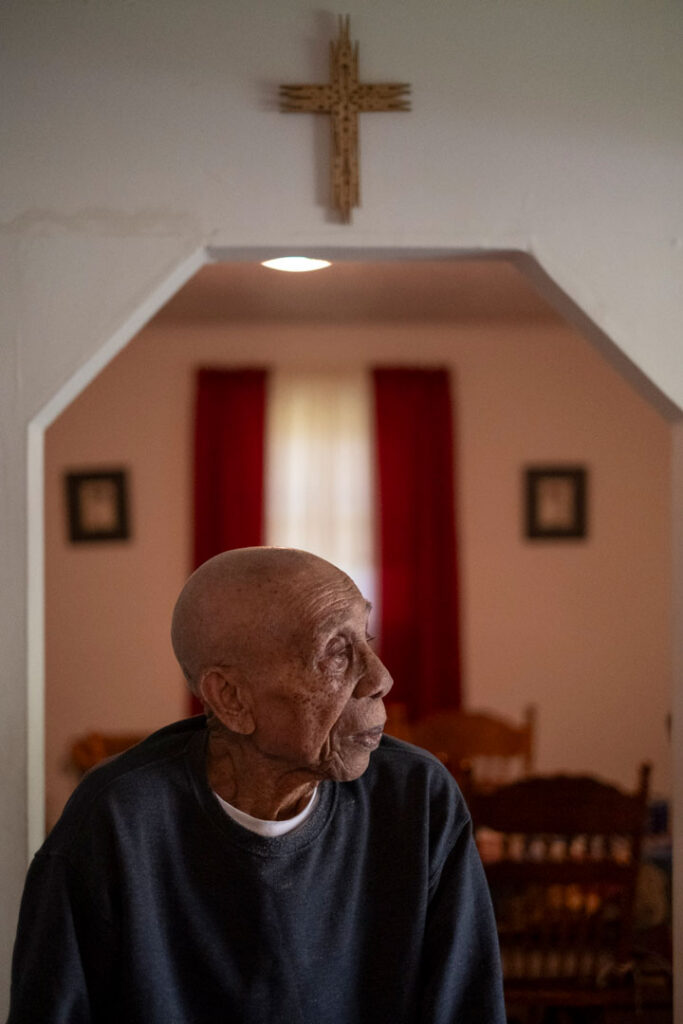
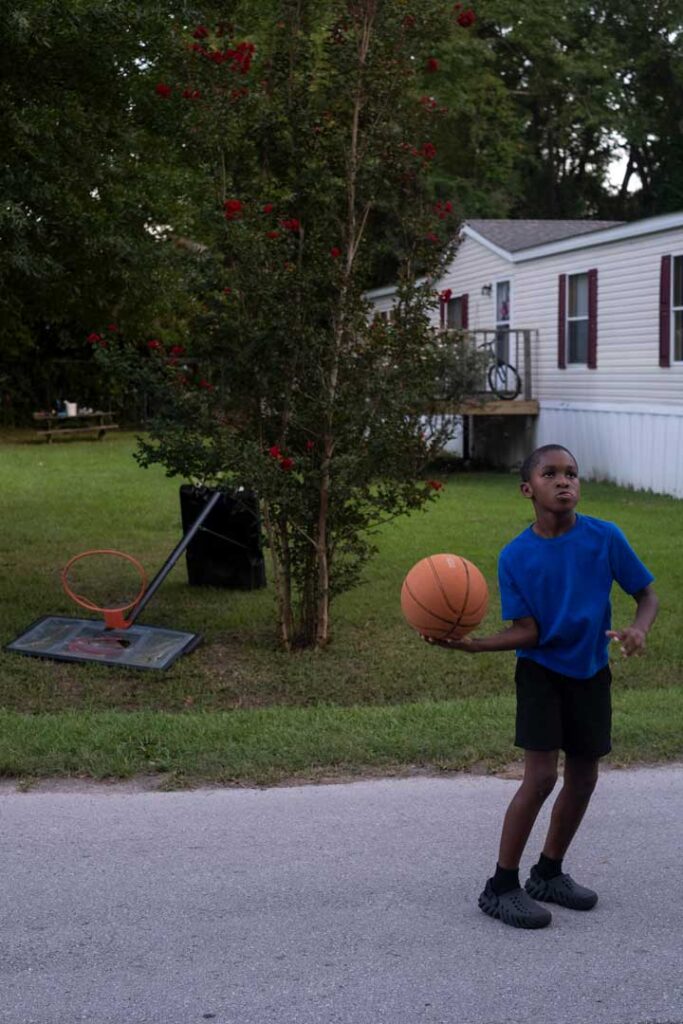
Unlike the baseball teams of the past, the street’s population of youths has declined, and Midyette Street now hosts an aging population, much like the surrounding town of Oriental. Still for Jones and those who remain, the area’s history is preserved through their voices while sitting on their porches during a hot summer day.
A: Me and the boys, me and Johnny McPerry, and a boy named Howard Green.
And they just buried Howard Green, not this Sunday, but last Sunday. They just buried him because he just turned 80, and he died. And this guy down there named Hillman Jr., he passed. Those were mostly my friends coming up. It was right here. Right here in Oriental.
You know, right here in “White City” we called it. Them was my buddies. You know, we did things together and went out together and had little fights with other people together, you know. We busted the side of the heads with bottles two or three times, you know. And that's the way it was. We had nice times.
We didn't ever get in no trouble, nothing like that. We were very fine. We had some more friends about three years younger, four years younger, like my brother's age. They was running around here, going to New York, but when they got up to some size and be, like, groomed, all of us started hanging out together, you know. We had a good time. We had a nice time.
There used to be a big club right out here on 55 we used to go to, and that was the thing.
Every Friday night, Saturday night, Sunday evening, we would go right there. We'd be back home before eight, nine o'clock, Sunday night. We had to go to work the next morning or either go to school.
So we had a pretty good time.”
Q: What was the name of that club?
Jones: “What was the name of that club?
Friend: “Styrontown Beach?”
Jones: “No, no. Willie Merritt. Was the name of that club?”
Friend: “I think it was called…”
Jones: “Willie Merritt.”
Friend: “Merritt's?”
Jones: “He was a Merritt.”
Friend: “It was a Merritt's club.”
Jones: “Willie Merritt's club. We called him Bip Bam. We called him Bip Bam because he would hit you upside the head in a damn minute because we named him Bip Bam.
So, we had a nice, very nice time.”